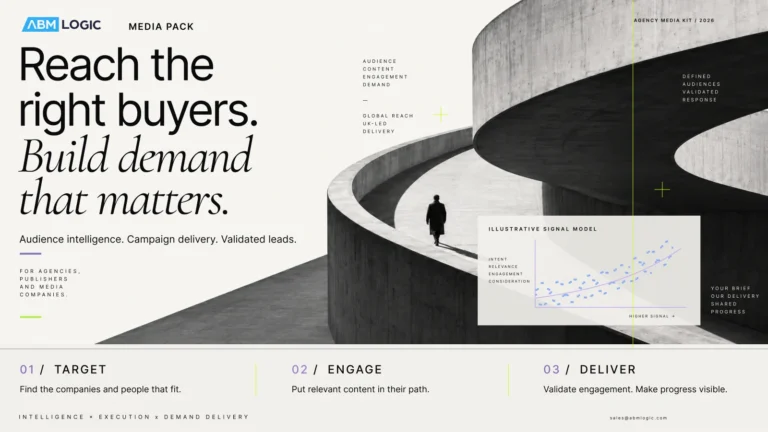
ABM Logic Media Kit
A media kit for agency buyers planning B2B demand generation, content syndication and lead generation, with audience targeting, delivery options and reporting.

A media kit for agency buyers planning B2B demand generation, content syndication and lead generation, with audience targeting, delivery options and reporting.
Secure stakeholder buy-in for your ABM pilot with practical guidance on executive sponsorship, sales ownership, success measures and governance.

Demand generation is the coordinated work of creating, developing and capturing demand. This guide explains how it works in B2B, its core components, and how it connects with lead generation and ABM.

Build a practical B2B demand generation strategy by making clear decisions about objectives, audiences, programme design, priorities, ownership and measurement.

Demand generation and lead generation perform different jobs. Compare their purpose, buyer context, data capture, measurement and handoff to decide where your immediate priority lies.

Choose demand generation channels by the job they need to do, the audience they must reach and the team required to operate them. This practical framework helps B2B marketers build a focused, measurable channel mix.

A practical framework for choosing demand generation metrics, defining trustworthy KPIs, handling attribution and ROI carefully, and running a scorecard that supports commercial decisions.

Agencies do not only outsource lead generation. They outsource risk. This guide explains how to choose a white label B2B fulfilment partner without damaging client trust.

Agencies buying B2B content syndication leads are not just buying volume. This guide explains how to judge vendors by targeting, consent, QA, reporting, acceptance criteria and client trust.
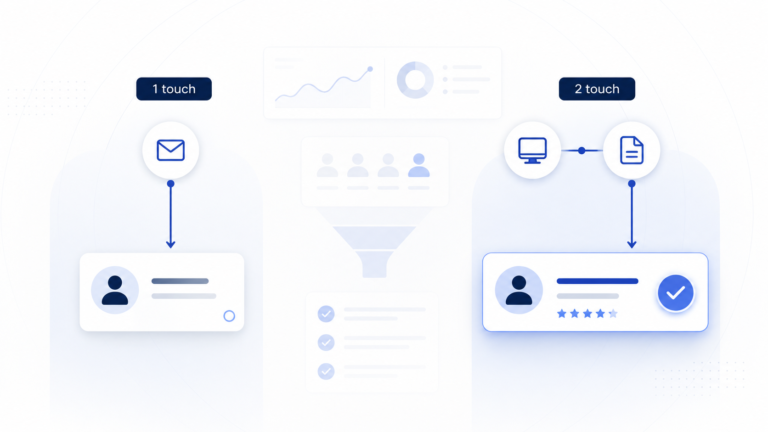
Single-touch and double-touch leads are not automatically good or bad. The risk comes when clients misunderstand what each lead type means. This guide explains how agencies can set clearer expectations before campaign launch.

Improve the marketing-to-sales lead handoff with a practical checklist, a completed lead record and routing rules that distinguish nurture from sales-ready enquiries.
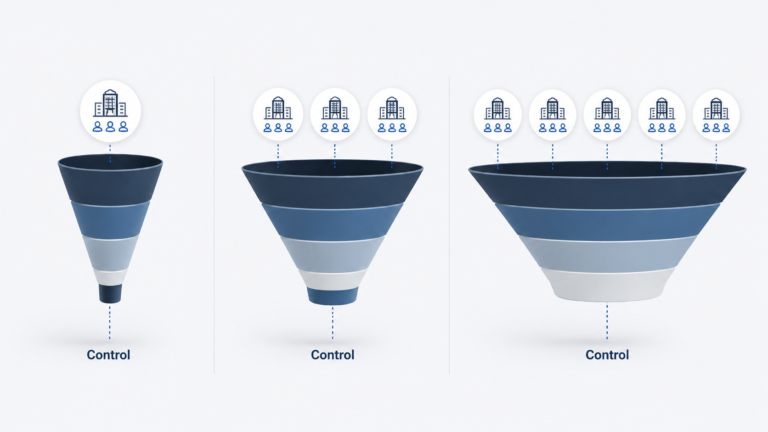
Scale ABM with an account-tier operating model that defines treatment, ownership, buying-group coverage and review decisions without losing relevance.

Compare ABM and inbound marketing, decide when each approach fits, and see how search-led content can support engagement with target accounts.
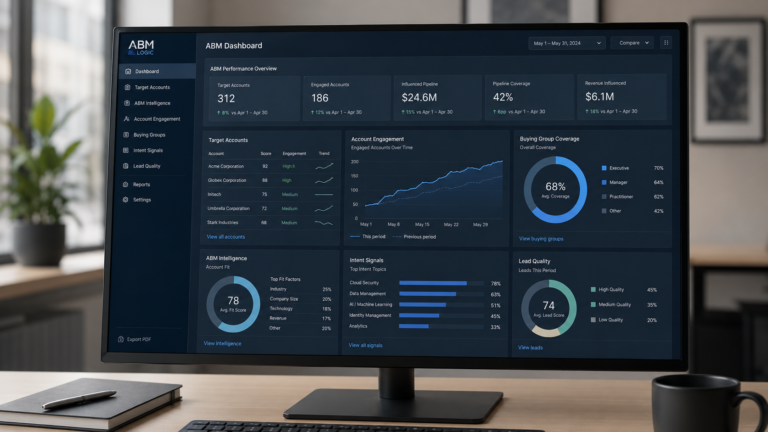
Understand the ABM data you need, from firmographics and intent to buying-group roles and CRM records, and prioritise the fields that support account decisions.
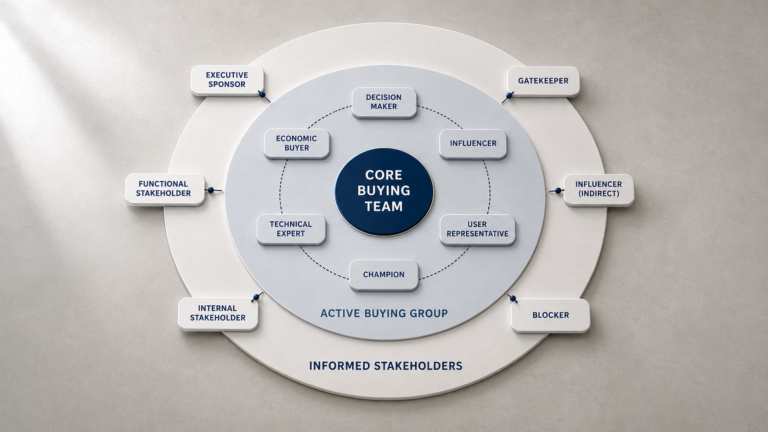
Identify the decision-makers, evaluators, champions and other roles in an ABM buying group, then map contact gaps and plan relevant follow-up.

Assess buying-group coverage across target accounts and use stakeholder engagement to guide qualification, sales follow-up and account progression.
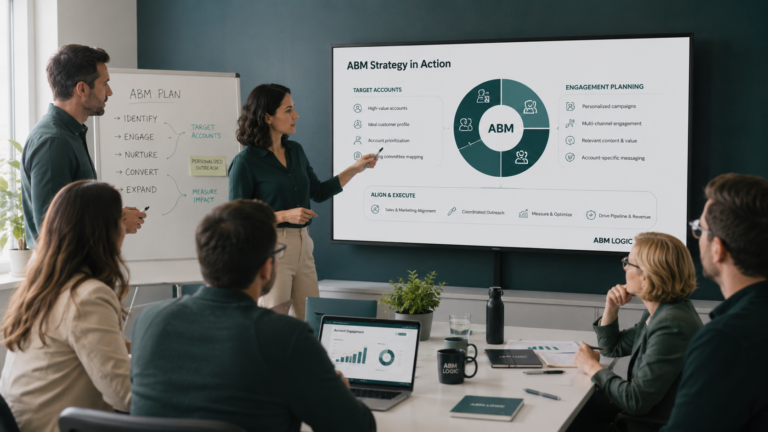
Follow a ten-step ABM implementation process, from account selection and sales alignment to qualification and reporting, with an illustrative 90-day pilot.

Align sales and marketing around target accounts, qualified signals, ownership and follow-up. Use workshop questions and shared measures to make the agreement practical.
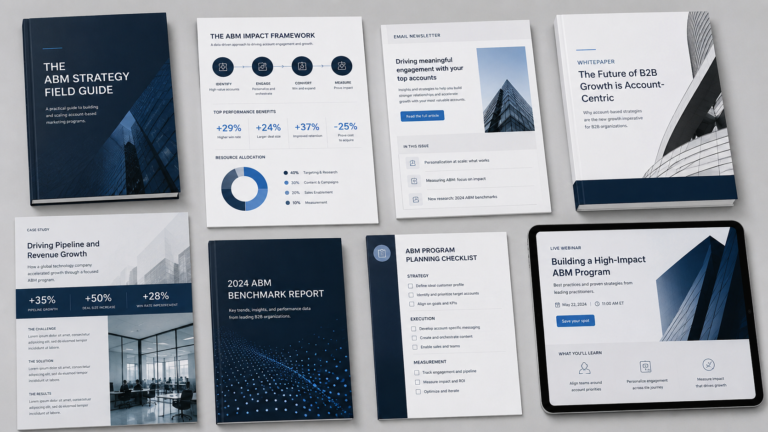
Build an ABM content strategy around account priorities, buying-group roles and buying stages, so each asset supports a clear engagement or follow-up action.

Map the ABM buyer journey across buying-group roles, interpret their different signals and choose the next action using an illustrative role-by-role example.

Compare demand generation partners on targeting, lead quality, handoff and reporting, with a worked example showing cost per accepted lead rather than volume alone.

Compare first-party and third-party intent data in ABM, understand what each signal can tell you, and combine them with account fit before deciding how to act.
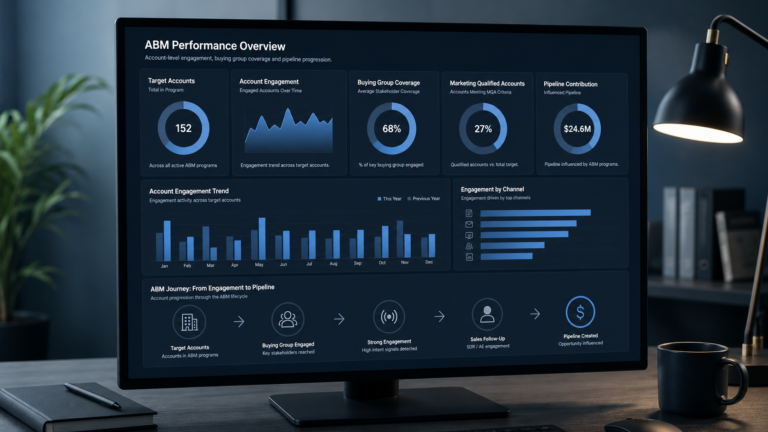
A practical measurement guide explaining how B2B teams should measure ABM by account progression, buying group coverage, qualified signals and pipeline impact rather than campaign activity alone.

A guide explaining B2B content syndication and how it can support account-based marketing by creating qualified engagement signals from target accounts.

A practical examples article showing how account-based marketing campaigns and plays work in B2B, including the account focus, buying group roles, content or channel used, signal created and sales action required.

A practical framework for building an account-based marketing strategy around commercial objectives, target account selection, tiering, buying group coverage, messaging, channels, sales alignment and account progression.

A practical parent guide explaining what account-based marketing means, how it works in B2B, and why ABM should focus on target accounts, buying groups, engagement signals and pipeline progression.

More B2B leads do not always create more pipeline. This article explains why lead quality depends on account fit, role relevance, engagement context and sales follow up readiness.

Traditional B2B lead generation focuses on creating contacts. Account-based lead generation focuses on creating qualified signals from the accounts sales and marketing actually want to win.

A guide to MQLs, HQLs and SQLs in account-based lead generation, explaining how lead type, account fit, role relevance and follow-up readiness shape lead quality.

Learn about ABM lead generation, this shows how B2B teams can generate better leads from target accounts by connecting account selection, buying group coverage, content, qualification and sales follow-up.

Four B2B marketing risks can quietly stop account interest becoming pipeline: poor account timing, missed account changes, weak buying group coverage and unreliable data.

Seven account-based marketing strategies that help B2B teams improve target account engagement, buying group coverage and pipeline progression.

A manual to building an ABM campaign that generates high-intent B2B leads by connecting target accounts, content, channels, qualification and sales follow-up.

A practical guide to how intent data supports ABM by helping teams identify active accounts, prioritise engagement and connect signals to sales action.

A practical guide to personalisation at scale in ABM, showing how B2B teams can balance relevance, structure and efficiency across target accounts and buying groups.

A practical guide to building a demand generation engine that produces qualified leads by connecting audience strategy, content, channels, qualification and sales follow-up.

Learn how demand generation and ABM work together when broad market activity is connected to target account selection, buying group engagement and pipeline progression.

Traditional marketing can create reach and leads, but ABM helps B2B teams focus on the accounts, buying groups and sales actions that drive pipeline progression.

A practical guide to how ABM intelligence improves target account selection by combining fit, intent, account context, buying group visibility and sales validation.